
Ownership Guide
How to Maintain Your Shipping Container and Make It Last
A shipping container is a fortress, but even a fortress needs upkeep. Follow these simple maintenance tips to protect your investment and ensure decades of reliable service.
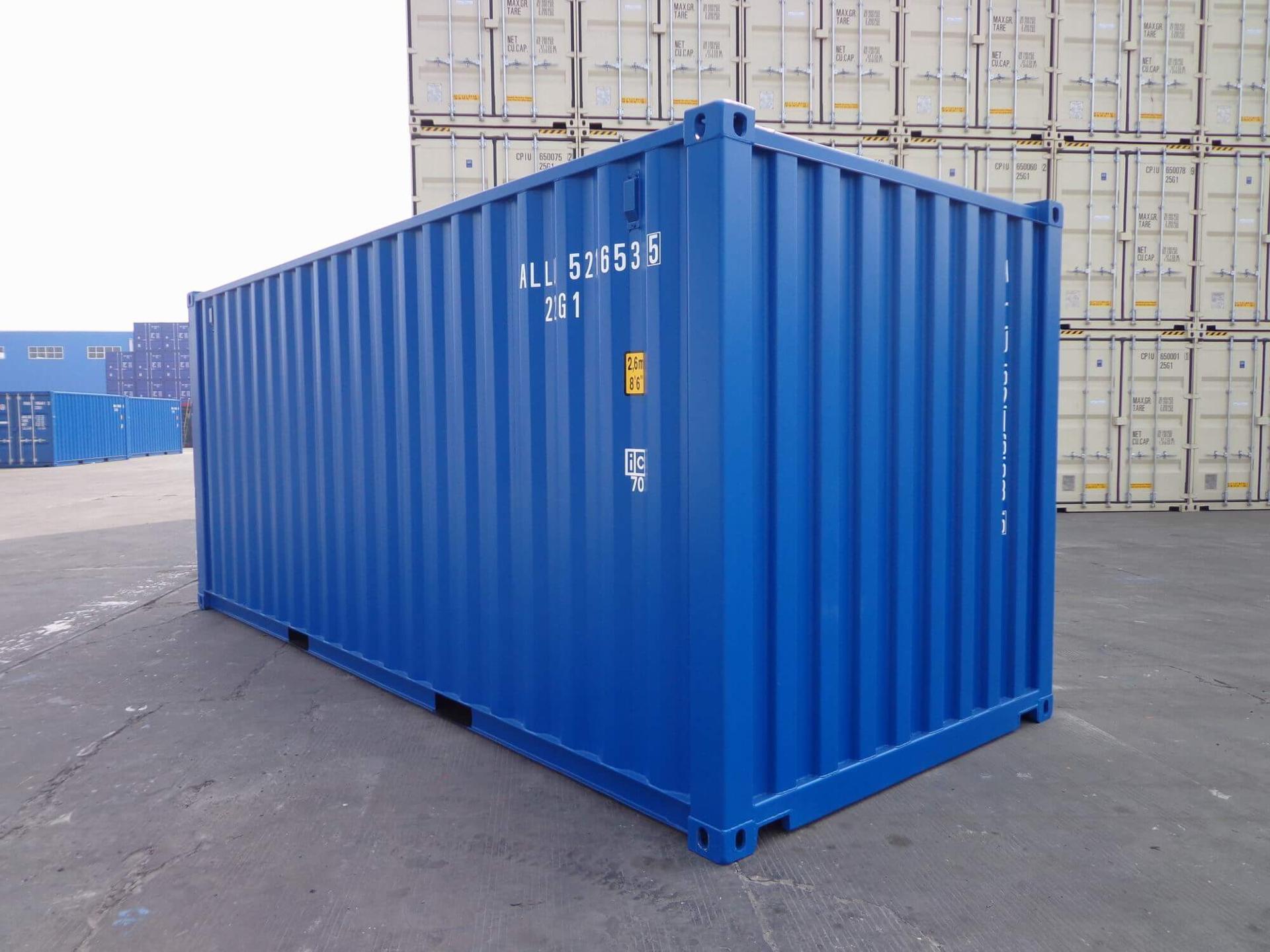
You've invested in a shipping container for its legendary durability. Made of Corten steel, these structures are designed to endure years of harsh ocean voyages. However, to maximize their lifespan on your property—especially in the varied climate of British Columbia—a little preventative maintenance goes a long way. Here’s your essential checklist.
1. The Foundation is Everything
We can't stress this enough: a solid, level foundation is the most critical factor in your container's longevity. An uneven base will cause the container frame to twist, leading to door alignment issues and water pooling.
- Stay Level: Regularly check that your container is still level, especially after the ground thaws in spring.
- Ensure Good Drainage: Keep the area around your container clear of debris and ensure water drains away from the foundation.
- Check Your Blocks: If your container is on blocks, inspect them annually for signs of cracking or shifting.
2. Fight the Arch-Nemesis: Rust
Corten steel is rust-resistant, not rust-proof. The steel forms a protective outer layer of rust, but deep scratches or areas where water pools can become problematic.
Your Anti-Rust Action Plan:
- Inspect Annually: Walk around your container at least once a year, looking for deep scratches, dents, or areas where paint is bubbling. Pay close attention to the roof and corners.
- Treat Surface Rust Immediately: If you find minor surface rust, don't panic. Use a wire brush to remove the loose rust, clean the area, and apply a rust-inhibiting metal paint.
- Keep the Roof Clear: Don't let wet leaves, snow, or debris sit on your container's roof. This traps moisture and is a primary cause of corrosion.
Pro Tip: The Power of a Good Wash
Washing your container once a year with a simple soap and water solution can dramatically extend the life of the paint. It removes dirt, salt (if you're in a coastal area), and other corrosive elements.
3. Manage Interior Moisture
Condensation, or "container rain," can occur when the air inside the container is warmer and more humid than the outside steel walls. This is a common issue in BC's fluctuating temperatures.
- Ventilation is Key: Ensure the container's built-in vents are not blocked. For more active use, consider installing additional vents to promote cross-flow of air.
- Use Desiccants: For passive moisture control, desiccant products (like silica gel bags or moisture-absorbing buckets) are very effective.
- Be Mindful of What You Store: Avoid storing wet or damp items inside the container. Let that lawnmower dry off before you put it away!
4. Lubricate and Inspect Seals
The heavy-duty doors of a shipping container are designed to be weatherproof, and keeping them that way is simple.
- Lubricate Hinge Pins & Locking Bars: Once a year, apply a grease or heavy-duty lubricant to all moving parts of the door mechanism. This prevents seizing and makes them much easier to operate.
- Inspect Rubber Door Seals: Check the rubber gaskets around the doors for any cracks or tears. A damaged seal compromises the container's ability to keep out water and pests.
By dedicating just a few hours each year to these simple maintenance tasks, you ensure your shipping container remains a secure, weatherproof, and valuable asset for decades to come. A little care goes a long way in protecting your investment.
Planning a new purchase? Compare sizes in our 20ft vs 40ft guide, read the full BC buyer's guide, or browse current inventory.
Custom Solutions
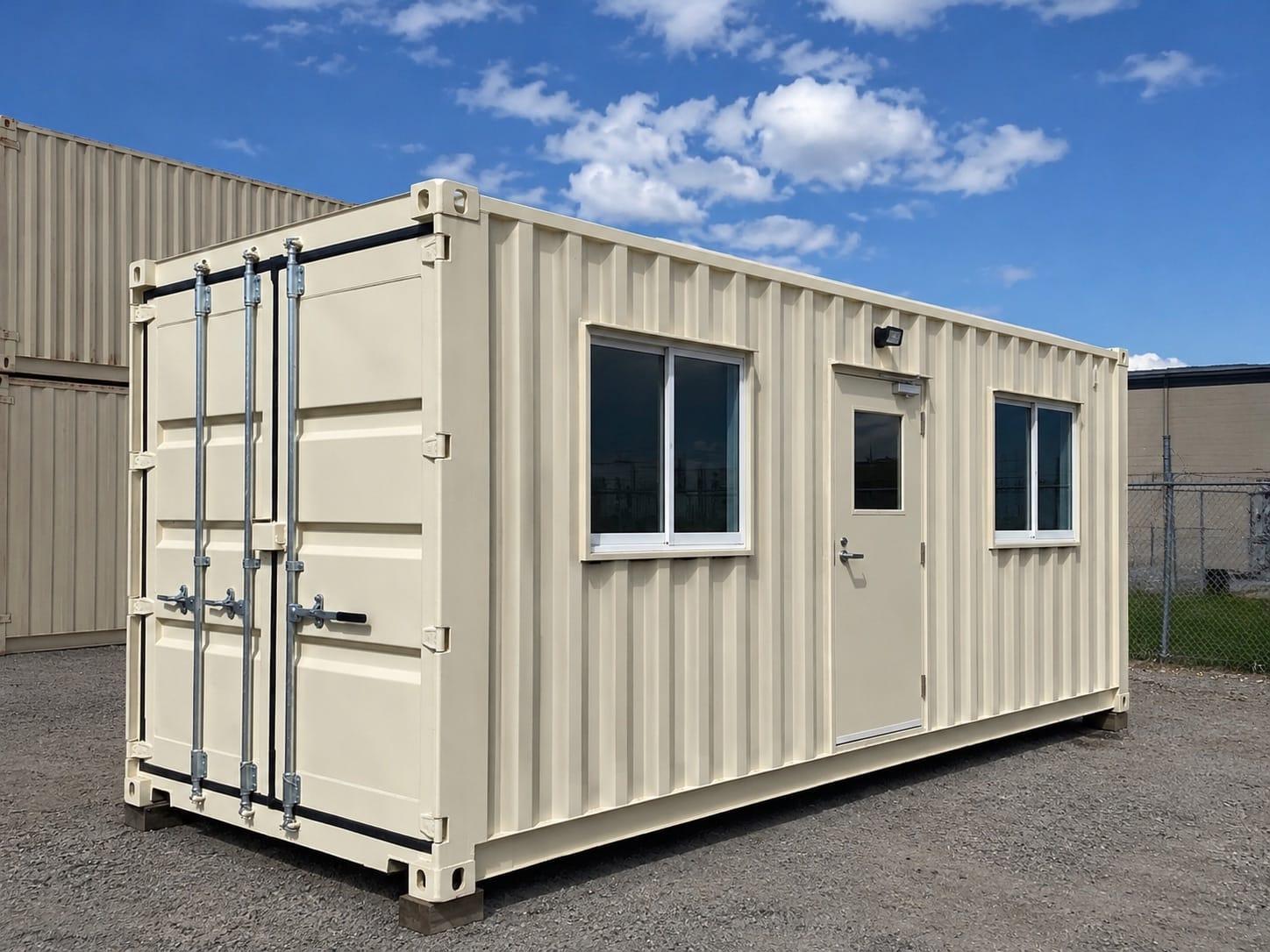
Custom container solutions, built in Kamloops
Custom containers for work and for living: site offices, workshops, farm storage, cold storage, pop-up shops, bunkies and turnkey container homes — designed around your project, built in our own yard and delivered anywhere in BC. Insulated site offices from $12,350 CAD; bunkies and modular homes are quoted per project.