We've moved next door! Our container dealership office is now at D3-1764 Kelly Douglas Rd, Kamloops.

Get directions

Buying Guide

Container Condition Grades in BC: New vs Used

One-trip, cargo-worthy, wind & water tight, or as-is? Here's what each grade actually means — and how to pick the right one for your project in British Columbia.
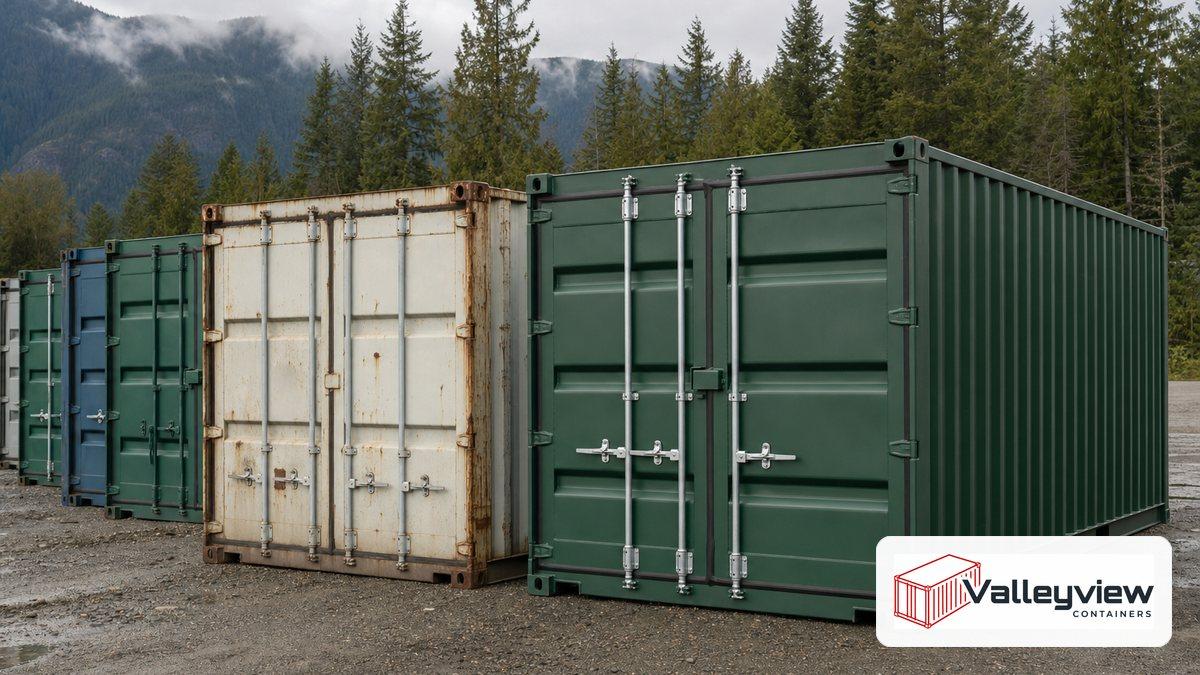
Rows of new and used shipping containers in a BC storage yard under overcast light

When you start shopping for a shipping container, the first surprise is that "used" isn't one thing. Two 20ft boxes sitting side by side in our yard can differ by years of life and hundreds of dollars, and the only way to tell them apart is the condition grade. Get the grade right and you pay for exactly the box your project needs; get it wrong and you either overspend on cosmetics you'll never see or end up with leaks over your equipment.

Here's the short answer: for clean, weather-tight on-site storage, a wind & water tight or cargo-worthy used container is the value sweet spot for most BC buyers. Choose one-trip ("new") when looks matter — a customer-facing site, a modification project, or a box you want to last decades with minimal rust. Reserve as-is for cheap material storage where a few dings don't matter. The rest of this guide explains why.

The four grades you'll actually be quoted

Container grading isn't governed by one universal standard, but the trade across Canada uses four consistent terms. Knowing them lets you compare quotes apples-to-apples instead of guessing what "good condition" means to a given seller.

  • One-trip / New: Built overseas and used for a single loaded voyage to North America, so it arrives near-new — straight walls, intact paint, tight door seals, and a manufacturer's plate only a year or two old. The cleanest box you can buy short of a custom build.
  • Cargo-Worthy (CW): Inspected and certified structurally sound enough to still ship cargo internationally. Expect surface rust and cosmetic dents, but no holes, no soft floor, and doors that seal. The go-to grade when you want a proven, certifiable box at a used price.
  • Wind & Water Tight (WWT): Guaranteed to keep weather out — no daylight through the walls, no leaks at the roof or seams — but not certified for ocean shipping. More cosmetic wear than CW, and the best price for dry, secure storage that stays put.
  • As-Is: Sold without a weather-tight guarantee. It may have a pinhole leak, a patched repair, or a sticky door. Cheapest of all, fine for non-sensitive storage — but inspect it in person and know what you're accepting.

Grades at a glance

GradeWeather-tight?Ship cargo?CosmeticsRelative price
One-trip / NewYesYesNear-newHighest
Cargo-WorthyYesYes (certified)Light wearMid
Wind & Water TightYesNoVisible wearLower
As-IsNot guaranteedNoVariableLowest

Why grade matters more in BC

British Columbia is hard on steel. Coastal damp and Interior winters mean condensation, freeze-thaw cycles, and persistent moisture work on every weak seal and scratch in the paint. A box graded wind & water tight or better will shrug that off for years; an as-is unit with an existing pinhole can let a slow drip ruin whatever sits beneath it through a wet Lower Mainland winter.

The flip side: you don't need a pristine one-trip box just to keep gravel-pad storage dry behind a shop in Prince George or Kamloops. Surface rust on a cargo-worthy container is cosmetic, not structural, and a touch-up of paint goes a long way. Match the grade to the job and the climate, not to the showroom.

How to choose by use case

The clearest way to land on a grade is to start from what the container is for:

  1. Customer-facing or branded: Choose one-trip. A clean, dent-free box paints well and photographs well — the right base for a retail pop-up or a wrapped, branded container.
  2. A modification project: Lean one-trip or strong cargo-worthy. When you're cutting in doors, windows, or insulation, you want straight walls and minimal rust to build on — see our container modifications options.
  3. Dry on-site storage: Wind & water tight is the value pick — guaranteed dry, at the lowest weather-tight price.
  4. You may resell or ship later: Cargo-worthy keeps the certification door open for international transport.
  5. Cheap, non-sensitive storage: As-is can work — just inspect it first.

The one rule that saves money

Buy the lowest grade that still keeps your contents dry. For most storage that's wind & water tight; pay up to one-trip only when looks or modifications truly demand it. You're buying weather-tightness, not paint.

What to check before you buy

Whatever grade you settle on, a five-minute inspection protects you. Stand inside with the doors shut and look for pinholes of daylight, especially along the roof and the door seals. Check the floor for soft spots, scan the bottom rails and corners for heavy rust, and make sure both doors swing and lock cleanly. A reputable BC dealer will let you inspect the exact unit — and grade it honestly — before delivery.

Buying the right grade in BC

At Valleyview we grade every container plainly so you know exactly what you're getting, from one-trip down to as-is. The best next step is to look at what's actually on the ground: browse our current yard inventory and the full product range, then size it up with our 20ft vs 40ft guide. If you're still mapping out the whole purchase, the complete BC buyer's guide walks through sizing, delivery, and budgeting from start to finish.
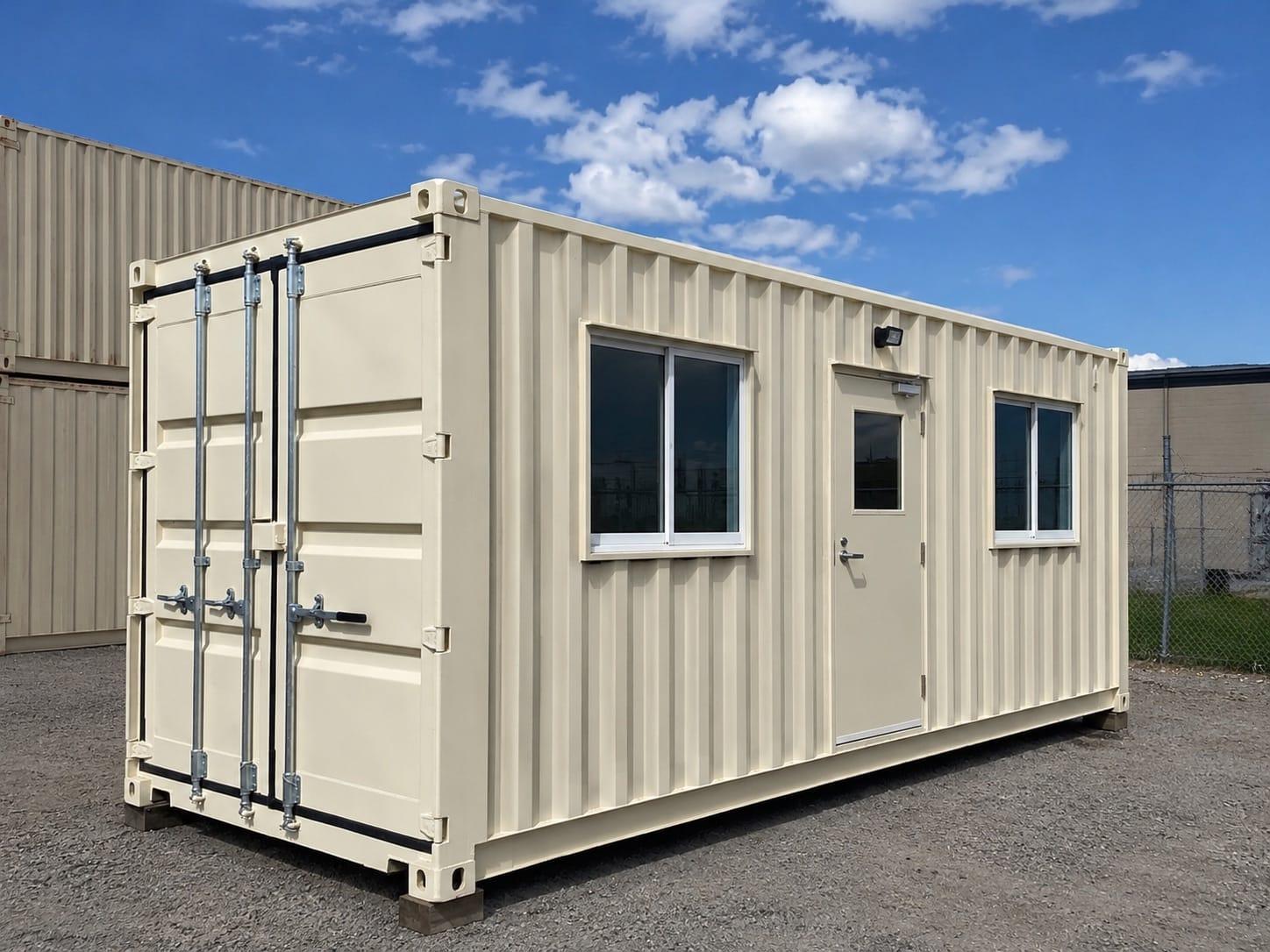
Custom 20ft shipping container site office with two sliding windows and a steel personnel door, built by Valleyview Containers in Kamloops, BC

Custom Solutions

Custom container solutions, built in Kamloops

Custom containers for work and for living: site offices, workshops, farm storage, cold storage, pop-up shops, bunkies and turnkey container homes — designed around your project, built in our own yard and delivered anywhere in BC. Insulated site offices from $14,600 CAD; bunkies and modular homes are quoted per project.

FAQ

Frequently asked questions

About this guide

Is there an official standard for shipping container grades?

No. Container grading isn’t governed by one universal standard, but the trade across Canada uses four consistent terms: one-trip or new, cargo-worthy, wind and watertight, and as-is, from cleanest to roughest. A vague phrase such as “good condition” is not one of them, so if a seller or listing uses it, ask which of the four grades the container is, and what that grade means for the specific unit, before you compare it with other quotes.

Does Valleyview sell all four container grades?

No. Valleyview’s catalogue lists two: new, with the 20ft and 40ft units sold as one-trip, and used cargo-worthy, plus a 20ft refrigerated unit. Containers in the Kamloops yard inventory also show the condition recorded for that unit. This guide explains wind and watertight and as-is too, so you can read any quote or listing that uses them.

How do I compare container quotes that use different grade names?

Line them up by what each container actually promises rather than by the label. For each quote, ask whether the unit is weather-tight, whether it is rated to carry cargo, what cosmetic wear to expect, and what shape the floor, door seals and roof are in. Ask for photos and the unit number, and compare delivered prices for the same size and door layout. A low price on a lower grade is only a saving if the box keeps your contents dry.

What’s the difference between cargo-worthy and wind and watertight?

Both keep weather out; the difference is whether the container can still ship cargo. A cargo-worthy unit has been judged structurally sound enough to carry cargo internationally, with surface rust and cosmetic dents but no holes, no soft floor and doors that seal. A wind and watertight unit keeps rain and wind out but is not rated for ocean shipping, and usually shows more cosmetic wear. Valleyview’s used catalogue containers are listed as cargo-worthy.

When does an as-is container make sense?

Only for cheap storage of things a leak wouldn’t hurt. An as-is container is sold without a weather-tight promise: it may have a pinhole leak, a patched repair or a sticky door. Through a wet BC winter, a slow drip from one pinhole can ruin whatever sits underneath it. If you are offered one, inspect that exact unit in person first, and for anything that must stay dry, choose a weather-tight grade instead.

Valleyview’s terms say used containers are sold “as-is.” Does that mean as-is grade?

No. In the terms, “as-is” refers to the warranty: used containers are sold without a warranty except as required by law, and normal wear from a working life is expected. The as-is grade in this guide describes condition, a box with no weather-tight promise. Valleyview’s used catalogue units are listed as cargo-worthy, inspected before sale and given an accurate condition description. New containers carry a manufacturer’s warranty for structural integrity and watertight condition, confirmed with your quote.

Why does a container’s grade matter more in BC?

Because BC weather is hard on steel. Coastal damp and Interior winters bring condensation, freeze-thaw cycles and persistent moisture that work on weak door seals, seams and scratches in the paint. A wind and watertight or better grade keeps rain and snowmelt out of the box, though no grade stops condensation forming on the inside of the steel. Surface rust on a cargo-worthy box is cosmetic, so match the grade to the job and the climate.

Is a one-trip container worth paying more for than a used one?

Only when looks or a build call for it. A one-trip container arrives with straight walls, intact factory paint, tight seals and an unstained floor, and it carries a manufacturer’s warranty, with the terms confirmed in your quote. For dry storage, a used cargo-worthy unit keeps weather out for less. This guide’s rule is to buy the lowest grade that still keeps your contents dry: you are paying for weather-tightness, not paint.

Compare new and used
What grade should I buy for a branded or customer-facing container?

One-trip. A clean, dent-free box with straight walls paints well and photographs well, which makes it the right base for a retail pop-up, a storefront unit or a container finished in your company colours. New 20ft containers can also be ordered in a range of factory RAL colours, with other RAL colours on request. A used unit can be repainted, but its dents stay, so it suits a spot customers don’t see.

Container branding
Which grade should I start with for a modification project?

One-trip, or a strong cargo-worthy unit. Cutting in doors, windows and insulation goes better on straight walls with minimal rust, and a one-trip box also gives you an unstained floor to build on. A cargo-worthy unit can work after a close look at its walls, roof and floor. Plan to seal or cover the factory-treated floor in any space people work in. When Valleyview does the build, the base container is confirmed in your itemized quote before any steel gets cut.

Modification options
What should I check on a used container before I buy it?

Stand inside with the doors shut and look for pinholes of daylight, especially along the roof and around the door seals. Check the floor for soft spots, scan the bottom rails and corners for heavy rust, and make sure both doors swing and lock cleanly. Run the same check on the exact unit before delivery if you can see it, and again before you sign the delivery receipt, where any damage has to be noted.

Can I see the exact container I’m buying before it’s delivered?

Yes, for units in Valleyview’s Kamloops yard. The inventory page lists only containers physically on the ground at D3-1764 Kelly Douglas Rd, with a photo when available, the recorded condition and the unit number where legible, and you can come and see them in person, open seven days a week from 10:00 AM to 6:00 PM. Call (778) 694-4050 first, since listed units can sell. For a container sourced from a partner depot, ask what photos and condition notes come with your quote.

See the yard inventory
If a container is wind and watertight, will my stored things stay dry?

Not always, because weather-tight is not the same as dry inside. A one-trip, cargo-worthy or wind and watertight unit keeps rain out, but condensation can still form on the steel when temperatures swing and drip onto what is stored below. For furniture, paper or tools, keep the built-in vents clear or add vents, use desiccants, don’t store wet items, and keep the container on a level, well-drained pad. If drips persist, ceiling foam or an anti-condensation treatment helps.

Which grade should I buy if I might sell the container or ship it overseas later?

Cargo-worthy, or one-trip if looks matter too. Those are the two grades still fit to carry cargo, which keeps international shipping open for you or a later owner; wind and watertight and as-is units are not rated for ocean shipping. Cargo-rated containers carry a CSC plate at the door end, and one without a plate can’t be shipped internationally, so ask whether the specific unit has one. No one can promise what a container will be worth later, so buy for the job in front of you.

Sizes & specs

What is the difference between a high cube and a standard container?

A high cube is one foot taller: 9ft 6in outside instead of 8ft 6in, with about 8ft 10in of interior height instead of about 7ft 10in. It is not longer or wider, so it sits on the same footprint and needs the same level, well-drained ground. High cubes are built to the same ISO standards from the same CORTEN steel, and a 40ft high cube holds about 2,690 cubic feet against about 2,390 for a standard 40ft.

High cube vs standard
How wide is a shipping container inside?

About 7ft 8in. Apart from the refrigerated unit, Valleyview’s 20ft and 40ft containers are 8ft wide outside and about 7ft 8in wide inside, standard height or high cube, because a high cube only adds height. The refrigerated unit has less room inside because of its insulation. If a load is too wide to go in through the end doors, a taller box will not help: a side-door unit lets you load it from the long side, or two containers can be set apart with a roof between them.

New & used containers

Will a used container still have faded paint and old markings?

Expect faded paint. A used container has had a working life, and paint wear is cosmetic: it doesn’t affect whether the container keeps your contents dry. Markings vary from unit to unit, so check the photo on a yard listing or ask Valleyview about a particular container. If you want old markings covered, existing containers can be repainted and re-decaled, quoted per design; ask about it with your quote.

How much rust is normal on a used container?

Surface rust is normal on a used container and is cosmetic, not structural. A used 20ft with one or two rust patches the size of your palm is fine; a unit covered in scale is not. Bubbling rust, scale rust or rust that flakes off in sheets is eating into the steel, so look closely at the bottom rails, corners and roof before you buy, and ask about any heavy rust on a specific unit.

Prices

Why don’t the units on your inventory page show a price?

Each yard unit is quoted as a delivered price for your address rather than shown with a sticker price. The inventory page lists only containers physically in Valleyview’s Kamloops yard, and choosing a listing starts a quote request for that unit. For a guide to what each size and condition costs, the products page shows listed price ranges in Canadian dollars plus tax and delivery.

Compare listed prices
How much does a used 40ft shipping container cost?

A used 40ft standard-height container is listed at $3,300–$3,600 plus tax and delivery, and a used 40ft high cube is listed at $3,500–$4,000. Both are cargo-worthy units, inspected and wind and watertight before they’re sold. The standard 40ft holds about 2,390 cubic feet, and the high cube, a foot taller, about 2,690. Delivery is quoted separately, and a 40ft needs more room on the route and at the drop spot than a 20ft.

Buying & paying

What paperwork do I get when I buy a container?

You get a quote (ask for it by email if you want it in writing), then an invoice or order confirmation once Valleyview accepts your order, and you sign a delivery receipt when the container arrives, noting any damage or discrepancies at that time. Business and project buyers can ask for itemized quotes and formal invoices. If you need a particular document, such as a certificate for a used unit, ask before you order rather than assuming it’s included.

What happens after I accept a container quote?

Valleyview confirms the order with an invoice or confirmation, and the delivery terms, costs and schedule are agreed then. A deposit may be required, with full payment typically due before delivery. Before the truck arrives, make sure the spot is level and firm with clear access. On delivery day, you or someone you designate meets the driver, confirms placement, inspects the container and signs the delivery receipt.

Watch the delivery guide

Delivery

How is a shipping container delivered?

By tilt-deck. Most deliveries use a tilt-deck truck or trailer whose deck tilts down hydraulically so the container slides off the back onto your prepared site. A 20ft container is delivered on a pickup with a 22-foot deckover tilt trailer. The truck can’t turn while the container is coming off, so it needs a straight, clear path and firm, level ground where the container will sit.

Preparing your site

Does a high cube container need different site prep from a standard container?

No. A high cube has the same footprint and the same four corner bearing points as a standard container of the same length, and it needs the same firm, level, well-drained ground. It is slightly heavier empty, which changes nothing about how you prepare the pad. The difference is height, about a foot more, which matters for overhead clearance on delivery day rather than for the ground it sits on.

Owning a container

Can I get a lock box welded on when I buy a container?

You can ask for one when you request your quote. A lock box is a heavy steel shroud welded over the hasp so the padlock sits in a pocket of steel, out of reach of bolt cutters. Some containers already have one, so ask whether the unit you are buying does. If it doesn’t, Valleyview can quote welding one on as part of its modification work. For a container you already own, ask whether it can be done.

Permits & bylaws

What changes can turn a storage container into a structure that needs a building review?

Stacking containers, adding a roof or lean-to, and cutting large openings can each move a container from storage toward being reviewed as a structure. Cutting removes structural steel, so openings need proper reframing. A container treated as a structure can bring footings, anchoring designed for wind and seismic loads, and a snow load review for an added roof or stacked units. If you plan any of these, ask your local government what review applies before the work starts.

Custom builds

What modifications can you make to a shipping container?

Valleyview’s published modification menu covers a 36-inch steel personnel door with a commercial lockset, sliding windows with screens and security bars, steel or wood stud framing, four insulation types plus undercarriage foam, a basic electrical package and an HVAC pre-wire. Roll-up doors, vents, shelving, partitions, interior finishes, plumbing rough-in and paint are quoted per design. Every build is quoted line by line before any steel gets cut.

Business & lease-to-own

What do I need to send to get a branded container quoted?

Send your logo, the wording you want on the container, your brand colour, and the container size and delivery location. A vector logo file (AI, EPS, SVG or vector PDF) scales cleanly to container size; a JPG or PNG is accepted and assessed before anything is quoted. Say whether you want a few decals or full-side graphics, since the design drives the price.

Refrigerated containers

Can a refrigerated container work as an outdoor walk-in cooler or freezer?

Yes. A 20ft reefer can be set as a cooler or a freezer and placed outside, on a gravel pad by a loading door for example, adding cold room without building inside or giving up floor space. A secondary man door can be quoted so staff aren’t opening the cargo doors all day. It needs firm, level ground, room for the delivery truck and 3-phase power, or a generator on an off-grid site.

Uses

Is a shipping container a good place to store household and seasonal items?

Yes, for things that can handle an unheated space. Steel walls, a steel roof and lockable cargo doors keep out weather and rodents while the doors stay shut and the seals are in good shape. Patio furniture, bikes, tires, garden gear and seasonal decorations store well. Temperature swings can cause condensation on the steel, so keep items on shelving or pallets, keep the vents clear and put nothing away wet. A used container suits a spot where cosmetic wear doesn’t matter.

Still have a question? Call (778) 694-4050 or see the full FAQ.

Not sure which grade you need?

Tell us what you're storing and where, and we'll match you to the right container at the right price.